Conversion Standards and Best Practices
We train and certify technicians, operators, and fleet managers to ensure conversions are carried out safely, consistently, and in line with recognized industry practices. This part of the training focuses on how to correctly convert vehicles to run on natural gas, while maintaining safety, reliability, and regulatory compliance.
1. Overview of Conversion Technologies
Participants gain a clear understanding of the different conversion types, including diesel–CNG dual fuel, spark ignition conversions, MPI and DI systems, and dedicated natural gas engines. The module explains where each technology is appropriate and its operational limits.
2. Applicable Standards and Compliance
The program covers international conversion standards and technical references used in natural gas mobility. Trainees learn how to interpret installation guidelines, certification requirements, and inspection criteria, and how to apply them correctly in local operating environments.
3. Vehicle Assessment and Conversion Feasibility
Technicians are trained to evaluate vehicles before conversion. This includes engine condition checks, electronic system compatibility, duty cycle analysis, and safety constraints. Fleet managers learn how to decide whether conversion is technically and economically justified.
4. Installation Best Practices
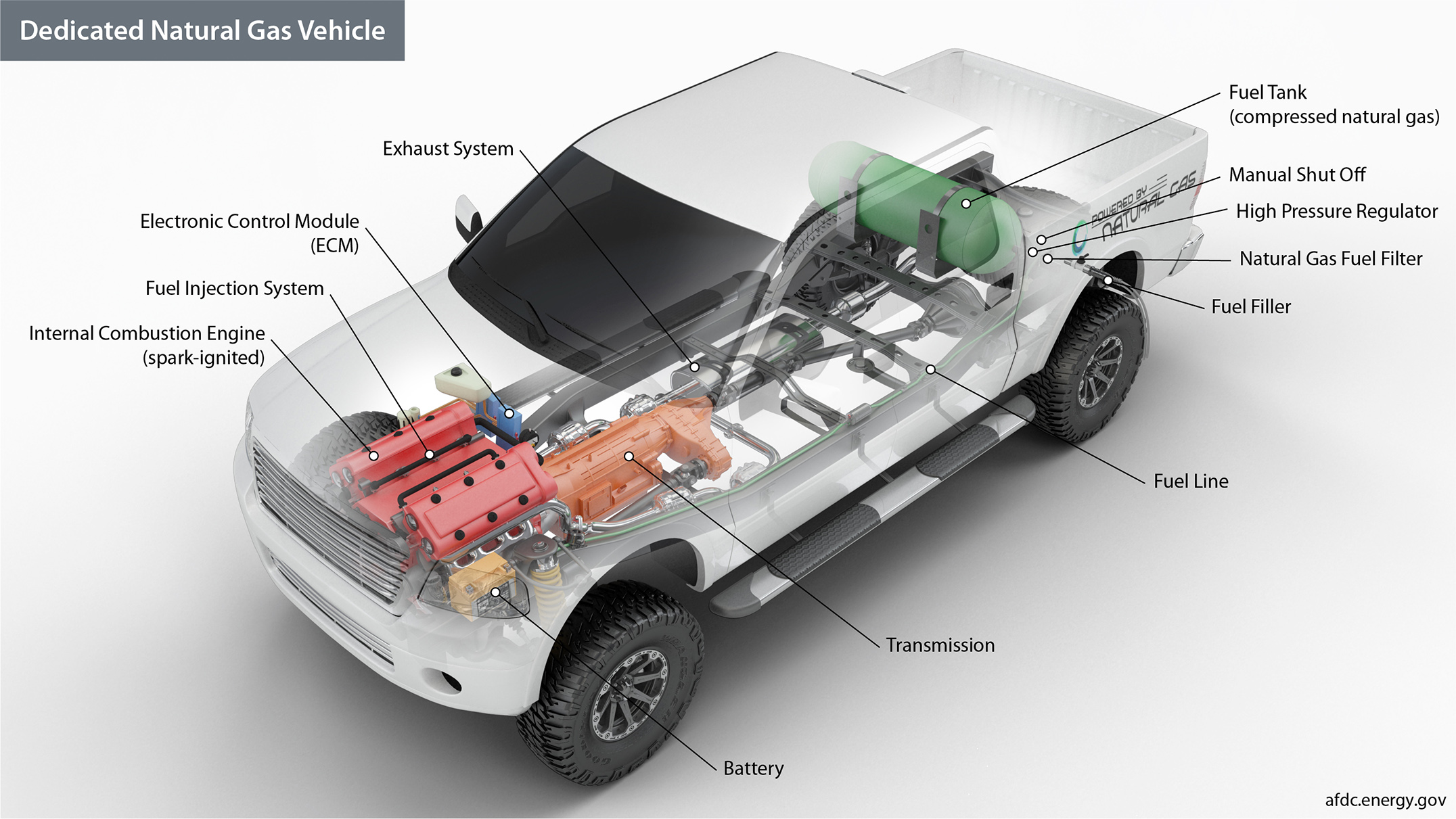
This module details proper installation procedures for cylinders, tanks, regulators, injectors, ECUs, piping, and wiring. Emphasis is placed on correct mounting, routing, protection against heat and vibration, torque control, and system integration without compromising the original vehicle systems.
5. Calibration and Commissioning
Participants learn correct calibration methods to ensure optimal performance, fuel efficiency, and emissions control. The training covers system testing, fault diagnosis, road testing, and final commissioning before vehicle handover.
6. Quality Control and Documentation
The program explains how to implement quality checks at each stage of the conversion. Trainees learn how to document installations, maintain traceability of components, and prepare compliance and handover reports for operators and authorities.
7. Common Errors and Risk Prevention
Real-world case studies are used to highlight frequent installation mistakes, unsafe shortcuts, and poor design choices. Participants learn how to identify and avoid practices that lead to system failures, safety risks, or warranty issues.
8. Certification and Professional Validation
At the end of the training, participants are assessed on both theory and practical skills. Successful candidates receive certification confirming their ability to perform or manage natural gas vehicle conversions according to recognized standards and best practices.
This training ensures that conversions are not only technically correct, but also repeatable, auditable, and safe across an entire fleet.