Energies@mancock.net
WhatsApp: (+242) 06 714 6667
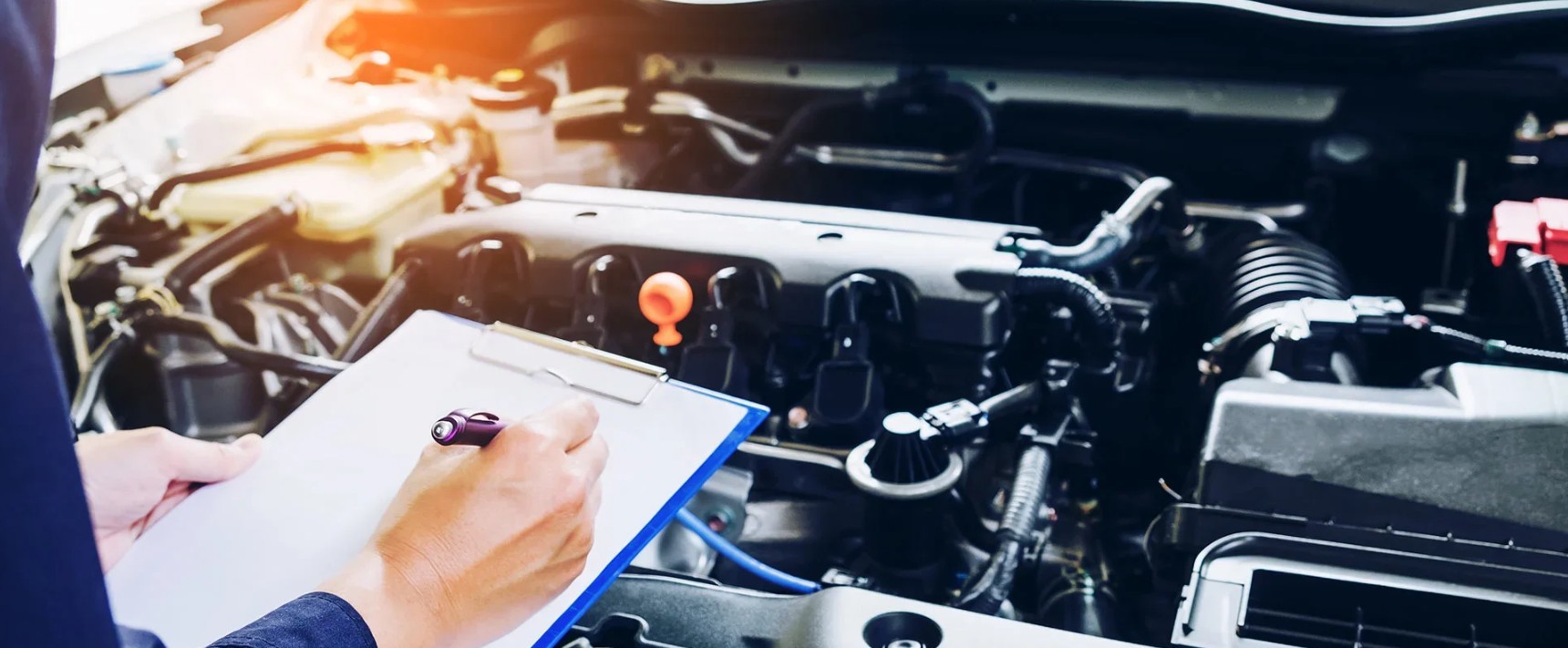
We train and certify technicians, operators, and fleet managers to ensure safe, reliable, and efficient maintenance of natural gas powered vehicles and systems. Our programs are designed for real operational environments and focus on practical skills, compliance, and long-term asset performance. Participants learn the core principles of preventive and corrective maintenance for CNG, LNG, and LPG systems. This includes understanding system architecture, component functions, and maintenance intervals based on manufacturer recommendations and operating conditions.
Training covers routine inspections of fuel storage cylinders, valves, regulators, injectors, piping, and electronic control systems. Emphasis is placed on early fault detection, leak identification, wear monitoring, and proper documentation to reduce downtime and prevent incidents.
Technicians are trained to diagnose common and complex faults using systematic troubleshooting methods. This includes pressure and flow testing, electronic diagnostics, sensor verification, and safe component replacement procedures. Participants also learn how to determine root causes and prevent recurrence.
All maintenance activities are taught with strict safety protocols. This includes gas isolation, depressurization, lockout and tagout procedures, use of personal protective equipment, and emergency response actions during maintenance operations.
The program addresses correct workshop layout, ventilation requirements, hazardous area management, and the proper use and calibration of maintenance tools and diagnostic equipment specific to natural gas systems.
Fleet managers and supervisors are trained on maintenance record keeping, inspection reports, compliance audits, and alignment with applicable local regulations, international standards, and manufacturer guidelines.
Each participant is evaluated through practical assessments and technical knowledge tests. Successful candidates receive certification confirming their competency in maintaining natural gas fuel systems according to industry best practices.