Natural Gas Systems Safety
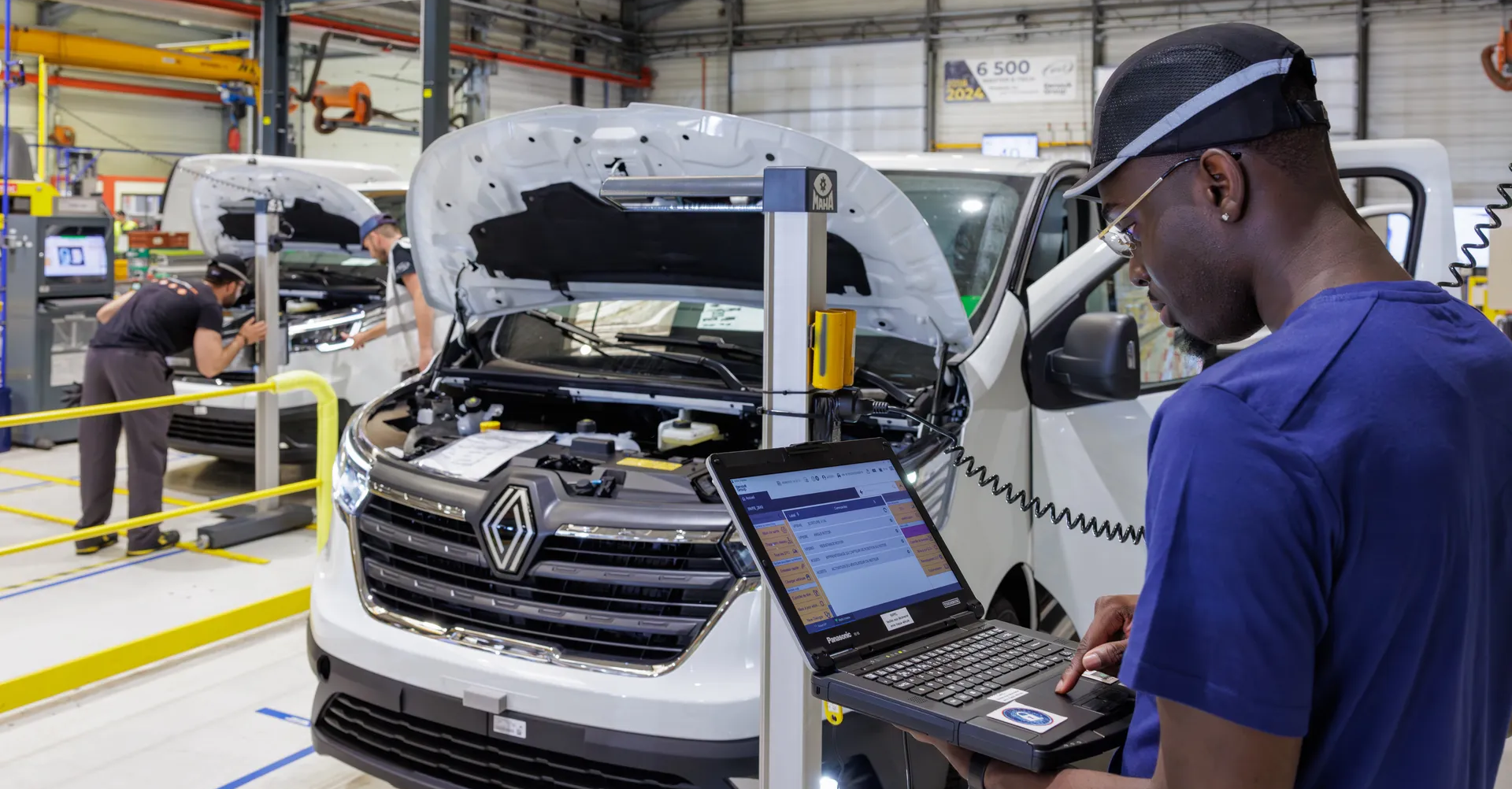
We train and certify technicians, operators, and fleet managers with a strong focus on safe, real-world use of natural gas technologies in mobility and fleet operations. This part of the program is designed to build a solid safety culture across all roles, from hands-on technicians to decision-makers.
1. Fundamentals of Natural Gas Safety
Participants learn the physical and chemical properties of natural gas, including CNG and LNG. The course explains pressure behavior, flammability limits, ignition sources, and how natural gas differs from diesel, gasoline, and LPG from a safety perspective.
2. Regulations and Safety Standards
Training covers applicable international standards and best practices used in natural gas mobility, including workshop safety rules, vehicle compliance requirements, and operational procedures. Special attention is given to adapting these standards to local operating conditions.
3. Storage and Fuel System Safety
This module focuses on high-pressure and cryogenic systems. Participants learn safe handling of cylinders and tanks, valves, regulators, piping, and connectors. Topics include correct installation practices, inspection intervals, and identification of early signs of wear or failure.
4. Refueling Safety Procedures
Operators and technicians are trained on safe refueling processes for CNG and LNG. This includes station layout awareness, grounding and bonding, correct connection and disconnection procedures, pressure control, and actions to take in case of abnormal conditions during refueling.
5. Leak Detection and Risk Prevention
Participants learn how to detect gas leaks using sensors, inspection techniques, and routine checks. The training emphasizes risk assessment, preventive maintenance, and how to reduce human and operational errors that can lead to incidents.
6. Emergency Response and Incident Management
This module prepares teams to respond calmly and effectively to emergencies such as gas leaks, fires, or vehicle accidents. It covers isolation procedures, evacuation protocols, coordination with emergency services, and post-incident reporting.
7. Workshop and Fleet Safety Management
Fleet managers learn how to organize safe workshops and depots, including ventilation requirements, zoning, signage, access control, and staff training plans. The focus is on building systems that protect people, vehicles, and infrastructure.
8. Certification and Competency Assessment
At the end of the program, participants are evaluated through practical and theoretical assessments. Successful candidates receive certification confirming their competence in natural gas systems safety, aligned with industry standards and operational best practices.
This training ensures that everyone involved in natural gas mobility operations understands not just how the systems work, but how to operate, maintain, and manage them safely on a daily basis.